Busy adults often struggle to maintain healthy habits due to time constraints and competing priorities. Incorporating simple, consistent practices into daily routines can improve overall health without requiring large time investments.
Small changes like prioritizing sleep, staying hydrated, and fitting in short bursts of physical activity can have a significant impact. These habits are manageable and effective even on the busiest days.
Understanding practical ways to balance health with a demanding schedule is key to lasting wellness. This article will outline straightforward habits that fit into any lifestyle.
Foundations of Healthy Habits for Busy Adults
Establishing healthy habits starts with a clear recognition of common challenges, focused goal-setting, and routines that fit daily life. Success depends on addressing obstacles directly while creating manageable and consistent practices.
Understanding the Barriers to Wellness
Busy adults often face limited time, high stress, and competing priorities that hinder wellness. Fatigue and mental overload reduce motivation for exercise or cooking healthy meals. Environmental factors like workplace culture or social obligations can further disrupt healthy choices.
Identifying specific barriers is essential. These might include irregular schedules, lack of access to healthy food, or minimal downtime for physical activity. Awareness helps in planning practical solutions rather than unrealistic expectations.
Setting Realistic Wellness Goals
Goals must be achievable and precise to avoid frustration. Instead of vague targets like “exercise more,” aim for 30 minutes of walking three times a week. Setting incremental milestones supports steady progress.
It is useful to prioritize goals based on personal needs and lifestyle. For example, improving sleep quality may come before adding intense workouts. Tracking progress with apps or journals encourages accountability.
Building Sustainable Routines
Consistency relies on routines integrated seamlessly into daily life. Scheduling specific times for activities, such as morning stretches or meal prep on weekends, increases adherence.
Small changes like drinking water before coffee or taking stairs can accumulate meaningful benefits. Flexibility is key—routines should adapt to unexpected demands without causing stress.
| Tip | Example |
| Time Blocking | Allocate 15 minutes for meditation |
| Habit Stacking | Combine brushing teeth with flossing |
| Environmental Cues | Place workout clothes next to the bed |
Prioritizing Nutrition on a Hectic Schedule
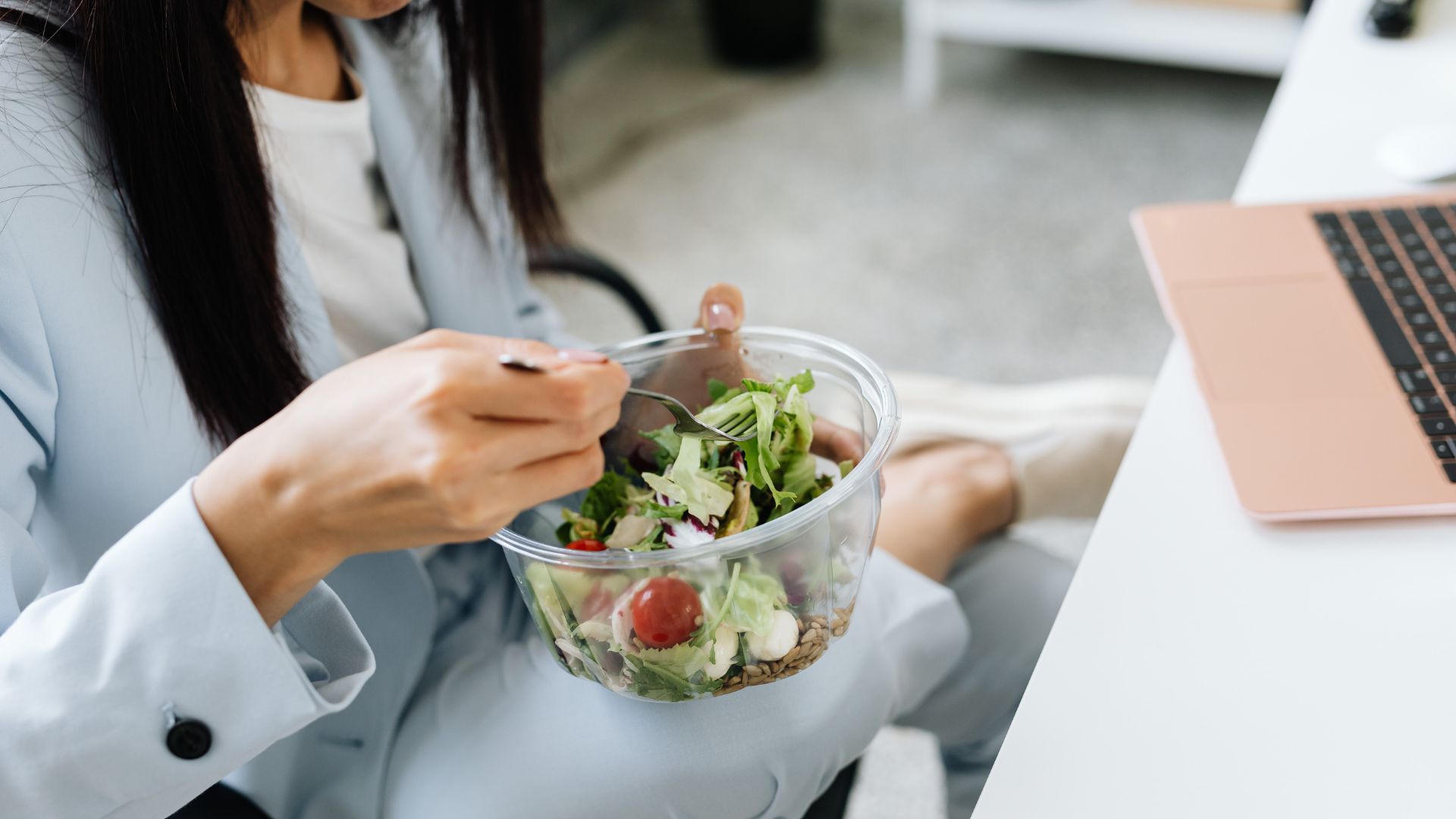
Busy adults need practical strategies to maintain healthy eating habits despite limited time. Focusing on efficient meal preparation, smart snacking, and organized grocery shopping can make nutrition manageable and effective.
Meal Planning for Time Management
Planning meals ahead reduces the daily stress of deciding what to eat. Creating a weekly menu with specific meals helps avoid last-minute unhealthy choices. Batch cooking on weekends or less busy days saves time during the week.
Incorporate balanced meals with lean proteins, whole grains, and vegetables. Use containers for portion control and easy grab-and-go options. Keep recipes simple to reduce cooking time while ensuring nutrient variety.
Healthy Snack Strategies
Choose snacks that provide sustained energy rather than quick spikes. Combine protein and fiber, such as Greek yogurt with berries or nuts with fruit. Avoid snacks high in added sugars and refined carbohydrates.
Prepare snack packs in advance, so healthy options are always available. Keep portable snacks like mixed nuts or cut vegetables within reach at work or home. This prevents reaching for convenient but less nutritious alternatives.
Smart Grocery Shopping Tips
Make a detailed shopping list based on your meal plan to avoid impulse buys. Stick to the perimeter of the store where fresh produce, dairy, and lean meats are located. Avoid aisles heavy with processed foods.
Opt for versatile ingredients that can be used in multiple dishes, such as canned beans, frozen vegetables, and whole grains. Check labels for sodium and sugar content. Prioritize seasonal produce for freshness and cost-effectiveness.
Incorporating Physical Activity into Daily Life
Finding time for physical activity doesn’t require long gym sessions or special equipment. Small, intentional choices and adaptable routines help fit movement into even the busiest days.
Efficient Workouts for Busy Schedules
High-intensity interval training (HIIT) offers maximum benefits in minimum time. Sessions lasting 15-20 minutes can improve cardiovascular health and muscle tone.
Focus on compound movements like squats, push-ups, and lunges to engage multiple muscle groups quickly. Short bursts of intense effort followed by brief rest periods optimize calorie burn and endurance.
Using a timer or app to track intervals maintains structure. Consistency matters more than duration, so aim for 3-4 sessions per week.
Exercise at Home or the Office
Bodyweight exercises are effective and require no equipment, making them ideal for confined spaces. Desk stretches, seated leg lifts, and wall sits can be done during breaks to reduce stiffness and improve circulation.
Investing in small, portable tools like resistance bands adds variety without clutter. Scheduling 10-minute movement breaks during the day helps avoid prolonged sitting.
Create a dedicated space with minimal distractions. Even a few minutes of focused exercise can increase energy levels and productivity.
Staying Active Throughout the Day
Incorporate walking meetings or take stairs instead of elevators whenever possible. Tracking steps with a pedometer or smartphone encourages gradual increases toward daily goals.
Break up long periods of sitting by standing or light walking every 30-60 minutes. Simple habits like parking farther from entrances or getting off public transit one stop early add extra movement.
Use reminders or alarms to stay mindful of activity. These small shifts accumulate significant health benefits without adding extra time to the schedule.
Optimizing Sleep and Rest
Quality sleep depends on consistent routines, managing stress, and knowing when to recharge during the day. Adjusting evening habits and short rest strategies can improve energy without disrupting nighttime sleep.
Creating a Restful Nighttime Routine
Set a fixed bedtime and wake time, even on weekends, to regulate your body’s internal clock. Avoid screens and bright lights at least 30 minutes before bed, as blue light interferes with melatonin production.
Incorporate calming activities like reading or light stretching. Lower the room temperature and remove noise distractions to create an ideal sleep environment. Aim to wind down for 20-30 minutes, signaling your body to relax.
Limit caffeine intake to before midday and avoid heavy meals within two hours of bedtime. Consistent habits help reinforce sleep quality, reducing the likelihood of restless nights.
Managing Sleep with a Demanding Lifestyle
Busy schedules and stress often disrupt sleep patterns. Prioritize sleep by planning your day around it, treating bedtime as non-negotiable. Use relaxation techniques such as deep breathing or mindfulness to manage pre-sleep anxiety.
Track your sleep duration and quality using a journal or apps. Identify patterns linked to late work or device use and adjust accordingly. If shift work or travel affects sleep, use light exposure and naps strategically to reset your circadian rhythm.
Avoid relying on sleep aids as a first option; focus on lifestyle adjustments that support natural sleep cycles. Small, consistent changes yield better sleep over time.
Power Naps and Energy Boosters
Short naps between 10 and 20 minutes can enhance alertness without causing grogginess or affecting nighttime rest. Schedule naps earlier in the afternoon to avoid interfering with sleep onset.
Use natural light exposure and light physical activity, like a brief walk, to boost energy during slumps. Hydration and balanced snacks with protein and complex carbs support sustained focus.
Avoid caffeine late in the day to prevent sleep disturbances. Power naps combined with these strategies provide quick recovery tailored to busy adult lifestyles.
Reducing Stress for Better Health
Managing stress effectively can improve both mental and physical health. Practical daily actions can help lower cortisol levels and support emotional stability. Establishing regular habits for relaxation and boundaries can reduce the impact of chronic stress.
Stress Management Techniques
Effective stress management starts with identifying triggers and responding with specific strategies. Keeping a stress journal helps track patterns and recognize what increases tension. Breaking tasks into smaller steps prevents overwhelm and improves focus.
Some techniques include deep breathing exercises, progressive muscle relaxation, and physical activity. These methods lower heart rate and release endorphins, enhancing mood and reducing anxiety.
Using time management tools like calendars and task lists decreases last-minute pressures. Prioritizing sleep and hydration also supports the body’s ability to cope with stress.
Mindfulness and Relaxation Methods
Mindfulness involves paying deliberate attention to the present moment without judgment. This practice can be simple, such as focusing on the breath for a few minutes daily. It improves emotional regulation by reducing reactivity to stressors.
Relaxation techniques like guided imagery, meditation, and yoga further calm the nervous system. These practices stimulate the parasympathetic nervous system, promoting a state of rest and recovery.
It’s helpful to set aside 10-15 minutes daily for mindfulness or relaxation. Apps and online resources can provide structured sessions for beginners and experienced users alike.
Balancing Work and Personal Life
Maintaining clear boundaries between work and personal time prevents burnout. Designating specific work hours and unplugging from devices afterward supports mental separation from job demands.
Scheduling regular breaks during work hours improves productivity and reduces fatigue. Engaging in hobbies and social activities outside work replenishes energy and fosters emotional well-being.
Communication is key. Expressing needs and limits to colleagues and family can create support systems that respect personal boundaries. Making time for rest and leisure is essential, not optional.
Staying Accountable and Motivated
Maintaining healthy habits requires consistent effort and a clear sense of progress. Using practical tools, building a support system, and recognizing achievements can help maintain focus and drive.
Tracking Progress Effectively
Tracking progress makes habits measurable and easier to manage. Use apps or simple journals to record daily activities like water intake, exercise, or sleep. Visual progress charts provide quick feedback and reveal patterns.
Set specific, measurable goals rather than vague ones. For example, aim for “30 minutes of walking five days a week” instead of just “exercise more.” Regularly reviewing progress helps identify areas needing adjustment.
Consistency matters more than perfection. Even small achievements contribute to long-term success. Adjust your tracking method if it feels tedious, choosing tools that fit your lifestyle.
Seeking Social Support
Social connections increase motivation and accountability. Share goals with friends, family, or coworkers to create a sense of responsibility.
Join groups or classes that align with your habits, such as running clubs or cooking workshops. Interaction with others pursuing similar goals encourages persistence.
Use social media or messaging apps to update progress and receive encouragement. Accountability partners help maintain commitment through reminders and shared challenges.
Rewarding Yourself for Success
Celebrate milestones to reinforce positive behavior and maintain motivation. Choose rewards that do not undermine your habits, like a relaxing bath or a new workout accessory.
Set small, frequent rewards for daily or weekly goals, and larger ones for significant achievements. This creates a balance between effort and enjoyment.
Avoid food-based rewards if eating habits are a focus, and consider non-material incentives such as extra rest or time for hobbies. Rewards make progress tangible and motivate ongoing effort.
Adapting Healthy Habits for Frequent Travelers
Frequent travelers face unique challenges in maintaining health routines. Managing diet and exercise requires planning and flexibility to fit changing environments and schedules.
Eating Well While Traveling
Eating well when traveling depends on preparation and smart choices. Pack portable snacks like nuts, fruit, and protein bars to avoid unhealthy airport or convenience foods.
Choose local markets or grocery stores rather than fast food. Opt for meals high in vegetables, lean proteins, and whole grains.
Drink plenty of water to stay hydrated, especially on flights. Limit caffeine and alcohol, as they can dehydrate you and disrupt sleep.
When dining out, check menus online ahead of time to identify healthier options. Request modifications like grilled instead of fried foods or dressings on the side.
Maintaining Fitness on the Go
Staying active during travel is achievable with simple methods. Use hotel gyms or carry resistance bands for quick strength workouts in your room.
Aim for at least 30 minutes of moderate activity daily. Walking or jogging outdoors can also provide exercise and local exploration.
Packing lightweight workout clothes and scheduling time for exercise helps maintain a routine. Prioritize movement during layovers, like stretching or walking the terminal.
Consistency and adaptability are key. Even short sessions improve energy levels and reduce travel-related fatigue.
Utilizing Technology to Support Healthy Habits
Technology can simplify tracking progress and provide personalized feedback to improve health routines. Smart tools help manage time, set goals, and maintain motivation.
Health and Fitness Apps
Health and fitness apps offer customized workout plans, meal tracking, and hydration reminders. Many apps sync with calendars to help schedule exercise sessions or mindful breaks.
Some popular features include:
- Goal setting for weight loss, muscle gain, or endurance
- Step counting and activity tracking
- Nutritional databases for calorie and macronutrient monitoring
- Sleep tracking integration
Apps like MyFitnessPal and Fitbit Coach provide user-friendly interfaces and community support options. Many also use push notifications to encourage consistent activity without overwhelming the user.
Wearable Wellness Devices
Wearables such as smartwatches and fitness bands collect real-time data on heart rate, steps, and sleep quality. This data helps adjust daily routines to optimize rest and physical activity.
Advanced models include:
- ECG monitoring for heart health
- Stress level measurement through skin conductance
- GPS tracking for outdoor workouts
Wearables often connect with apps to centralize health information. Users receive alerts about sedentary time and guidance for improved posture or breathing exercises. This continuous feedback supports informed health decisions throughout a busy day.
Conclusion
Building healthy habits as a busy adult requires intentional effort and small, consistent changes. Prioritizing sleep, balanced nutrition, regular exercise, and stress management forms the foundation of well-being.
Setting realistic goals helps maintain progress without overwhelming your schedule. Using simple tools such as planners or smartphone apps can keep habits on track.
| Habit | Key Tip | Benefit |
| Sleep | Stick to a consistent schedule | Improved focus and energy |
| Nutrition | Plan meals in advance | Better digestion and mood |
| Exercise | Choose activities you enjoy | Increased motivation |
| Stress management | Practice mindfulness daily | Reduced anxiety |
Remember, consistency beats intensity. Even short bursts of healthy habits accumulate positive results over time.
The combination of planning, flexibility, and a clear focus on self-care can help busy adults maintain health despite a demanding lifestyle.