Starting a wellness routine as an adult can feel overwhelming, but simple changes can make a big difference. Focusing on basic habits like balanced nutrition, regular physical activity, and sufficient sleep creates a strong foundation for overall health.
Wellness isn’t about drastic measures; it’s about consistent, manageable steps that fit into your daily life. Understanding how small adjustments impact your energy, mood, and well-being helps maintain motivation to keep going.
This guide offers straightforward tips that anyone can apply, no matter their starting point. Building wellness habits doesn’t require significant time or resources—just practical strategies that work.
Understanding Wellness for Beginners
Wellness involves more than just physical health. It includes emotional, mental, and social well-being. Recognizing the basic elements can help in making balanced choices tailored to individual needs.
What Wellness Means for Adults
Wellness is a comprehensive state of being, not just the absence of illness. For adults, it involves managing stress, maintaining physical health, and fostering social connections. It also includes regular physical activity, balanced nutrition, adequate sleep, and mental resilience.
Adults often face challenges like work pressure and family responsibilities, which make wellness a moving target. Wellness requires ongoing effort in daily habits and decision-making. It emphasizes prevention, self-care, and adapting to changing life circumstances.
Common Misconceptions About Wellness
Many believe wellness means strict diets or intense workouts. This is not true. Wellness is personal and flexible, focusing on sustainable habits rather than perfection.
Another misconception is that wellness is quick to achieve. Real progress involves consistent, gradual change. Ignoring mental and emotional health is also a common mistake; wellness covers physical and psychological balance equally.
Wellness isn’t about eliminating all stress but managing it healthily. Recognizing these misconceptions helps set practical expectations and avoid frustration.
Setting Realistic Wellness Goals
Effective wellness goals are specific, measurable, and achievable. Instead of “get fit,” aim for “30 minutes of walking five times a week.” Concrete targets provide structure and motivation.
Start small to build momentum. For example, add one serving of vegetables daily or reduce screen time before bed. Tracking progress with journals or apps can reinforce commitment.
Goals should be flexible to adapt to life changes. Regularly reviewing and adjusting them ensures they remain relevant and attainable, preventing burnout or discouragement.
Building Healthy Daily Habits
Creating wellness routines requires focus on consistency, specific daily actions, and ways to monitor progress. Small, practical steps taken regularly build a strong foundation for physical and mental health.
Establishing Consistent Routines
Start by selecting activities that fit your lifestyle. Set fixed times for meals, exercise, and sleep to support your body’s internal clock. Consistency signals your brain to expect these habits, making them easier to maintain.
Use reminders, such as alarms or calendar alerts, to help establish these patterns. Begin with one or two habits before adding more. For example, drinking water right after waking or taking a brief walk each afternoon.
Avoid rigid schedules that feel overwhelming. Flexibility allows adapting habits to daily needs while preserving consistency. Over time, these routines become automatic, reducing reliance on willpower.
Morning and Evening Practices
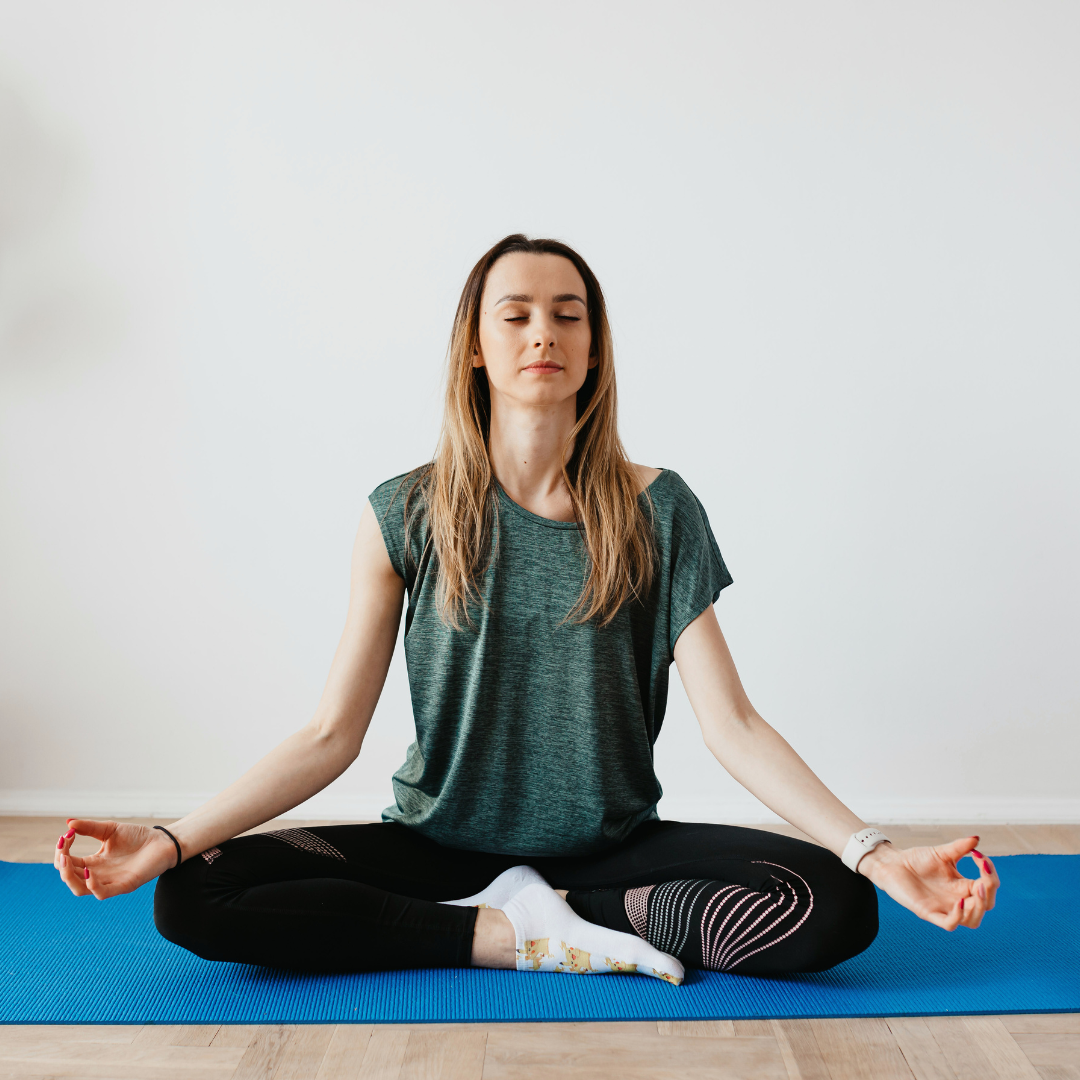
Mornings are ideal for habits that energize and prepare you for the day, such as stretching, meditation, or a nutritious breakfast. Starting with calm or focused activities can improve mood and concentration.
Evenings should focus on winding down and recovery. Limit screen time, practice gentle stretches, or write in a gratitude journal. These habits promote better sleep quality and mental relaxation.
Both morning and evening routines anchor your day, providing structure and balance. Aim for 10–20 minutes each session. This manageable duration encourages adherence without excessive time commitment.
Tracking Progress and Staying Accountable
Use tools that fit your preferences, like journals, apps, or simple checklists, to record your wellness activities. Tracking offers clear evidence of your efforts, fostering motivation.
Regularly review your progress weekly or biweekly. Adjust goals if needed to keep them realistic and attainable. Celebrate small wins to reinforce positive momentum.
Find an accountability partner or join a community with similar goals. Sharing progress and challenges adds social support, increasing the likelihood of maintaining habits over time.
Nutrition Essentials for Wellness
Proper nutrition involves eating a variety of foods that provide essential nutrients. It requires managing hydration and making thoughtful choices when buying groceries to support overall health.
Balanced Diet Fundamentals
A balanced diet includes carbohydrates, proteins, fats, vitamins, and minerals in appropriate amounts. Aim to fill half your plate with vegetables and fruits, one-quarter with lean proteins like chicken or beans, and one-quarter with whole grains.
Limit added sugars and saturated fats. Incorporate healthy fats like those found in nuts, seeds, and olive oil. Consistency matters; try to eat meals at regular intervals to maintain energy levels throughout the day.
Understanding Hydration Needs
Water is vital for every bodily function, including digestion and temperature regulation. Most adults need about 2 to 3 liters of water daily, but individual needs vary due to activity level, climate, and health conditions.
Signs of dehydration include dark urine, dry mouth, and fatigue. Besides water, hydration can come from herbal teas and water-rich foods like cucumbers and watermelon. Reduce consumption of sugary drinks and limit caffeine, as they can increase fluid loss.
Smart Grocery Shopping for Beginners
Plan your meals before shopping to avoid impulse buys. Stick to the perimeter of the store where fresh produce, dairy, and meats are usually located. Read labels carefully—look for low sodium and minimal added sugars.
Make a shopping list and prioritize whole, unprocessed foods over packaged items. Buying seasonal fruits and vegetables can be more nutritious and affordable. Don’t forget to check expiration dates and store food properly to prevent waste.
Getting Started with Physical Activity
Starting physical activity requires selecting exercises that fit your preferences and abilities. Setting clear, achievable goals helps maintain motivation. Small changes in daily habits can increase overall movement without needing a full workout.
Choosing the Right Exercise
Choose activities that match your current fitness level and interests. Low-impact options like walking, swimming, or cycling suit many beginners. If joint pain or chronic conditions are concerns, consult a healthcare professional before starting.
Variety prevents boredom and reduces injury risk. Combining aerobic exercises, strength training, and flexibility work promotes balanced fitness. Aim for activities you can realistically schedule three to five times per week.
Comfort is key—select appropriate clothing and footwear. If unsure, try group classes or online tutorials to explore different exercise styles before committing. Listening to your body avoids overexertion and supports consistent progress.
Setting Exercise Goals
Start with specific, measurable goals such as walking 10 minutes daily or completing two strength sessions weekly. Clear targets help track improvement and adjust routines. Avoid setting overly ambitious objectives that can lead to frustration.
Break larger goals into smaller milestones. For example:
| Goal | Milestone | Timeline |
| Walk 150 minutes/week | Walk 10 minutes every day | First 2 weeks |
| Strength train 3x/week | Complete 1-2 sessions per week | First month |
Use tools like apps, journals, or wearable devices to record progress. Reassess goals monthly to increase intensity or duration safely. Prioritize consistency over intensity in the beginning.
Incorporating Movement into Daily Life
Physical activity doesn’t require a gym. Increase daily movement by simple changes like taking stairs instead of elevators or parking farther from entrances. These small actions add up and improve endurance.
Set reminders to stand or walk briefly every hour, especially with sedentary jobs. Household chores, gardening, or playing with children also contribute to activity levels. Break longer sitting periods with short bursts of activity.
Planning active transport options, such as walking or cycling to work, doubles as exercise and practical movement. Focus on integrating movement naturally. Consistency in everyday life builds lasting physical habits.
Mental and Emotional Well-Being
Maintaining mental and emotional health involves practical strategies to handle daily pressures, focus attention, and strengthen coping skills. These approaches support clearer thinking and emotional balance in everyday life.
Managing Everyday Stress
Stress is a natural response, but chronic stress can harm physical and mental health. Effective stress management starts with identifying triggers such as work deadlines, financial concerns, or relationship conflicts.
Practical tactics include breaking tasks into smaller steps, prioritizing responsibilities, and setting realistic goals. Incorporating regular physical activity, even brief walks, helps reduce stress hormones.
Deep breathing exercises and timed breaks during work improve focus and calm. Avoid excessive caffeine and aim for consistent sleep patterns, which also play a critical role in controlling stress levels.
Developing Mindfulness
Mindfulness centers on paying attention to the present moment without judgment. This practice can reduce anxiety and improve concentration by redirecting thoughts away from worries and past events.
Simple exercises involve focusing on breathing, sensations, or sounds for short periods daily. Mobile apps and guided recordings are available tools that support beginners.
Regular mindfulness practice enhances self-awareness and emotional regulation. Over time, it fosters patience and better responses to challenging situations instead of impulsive reactions.
Building Emotional Resilience
Emotional resilience is the ability to recover from setbacks and maintain composure under pressure. Developing resilience involves nurturing supportive relationships and maintaining a positive outlook.
Setting personal boundaries and learning problem-solving skills help manage difficult emotions. Journaling thoughts and feelings can clarify challenges and track progress.
Routine self-care and seeking professional support when needed are important. Resilience grows gradually through facing adversity with intentional coping methods rather than avoiding problems.
Quality Sleep for Overall Wellness
Good sleep supports mental focus, physical repair, and emotional balance. A consistent schedule and awareness of common sleep disruptors are essential for improving rest.
Establishing a Sleep Routine
Set a fixed bedtime and wake-up time, even on weekends. This consistency helps regulate your internal clock and makes falling asleep easier.
Create a pre-sleep ritual like reading or gentle stretching to signal to your body that it’s time to wind down. Avoid screens 30 minutes before bed, as blue light disrupts melatonin production.
Keep your bedroom cool, dark, and quiet. Using blackout curtains and earplugs can improve sleep quality. Limit caffeine and heavy meals at least 4-6 hours before bedtime.
Recognizing Sleep Disruptors
Identify factors that interfere with restful sleep. Common disruptors include stress, screen use, irregular schedules, noise, and certain medications.
Monitor habits like napping late in the day or consuming stimulants in the afternoon. These can delay sleep onset and reduce sleep quality.
Medical issues such as sleep apnea or restless leg syndrome also impair sleep. If restlessness or fatigue persists, seek professional evaluation.
| Common Sleep Disruptors | Tips to Reduce Impact |
| Stress | Practice relaxation techniques before bed |
| Screen exposure | Use blue light filters or avoid screens |
| Irregular sleep schedule | Stick to consistent sleep/wake times |
| Noise | Use white noise machines or earplugs |
Social Connection and Support
Social connections influence mental, emotional, and physical well-being. Developing and maintaining relationships requires effort but can provide a strong foundation during stressful times.
Building a Support Network
Start by identifying people who share your interests or values. Join local clubs, hobby groups, or community events to meet like-minded individuals. Volunteering can also be an effective way to establish connections while contributing to your community.
Consistency is key. Schedule regular meetups or check-ins, even brief ones, to build familiarity and trust. Use digital tools like messaging apps or social media to stay connected if in-person meetings are difficult.
Keep in mind quality over quantity. A few reliable contacts who listen and support you matter more than a large number of superficial acquaintances. Share experiences, ask for advice, and offer help to create reciprocity.
Strengthening Meaningful Relationships
Be intentional about communication. Practice active listening, showing genuine interest without diverting the focus to yourself. This helps deepen bonds by fostering understanding and empathy.
Express appreciation often. Small gestures or words of thanks can enhance closeness and show that you value the relationship. Avoid distractions like phones when interacting face-to-face to improve engagement.
Address conflicts calmly and directly. Use “I” statements to express feelings without blaming others. Resolving issues constructively prevents resentment and strengthens trust over time.
Avoiding Common Pitfalls
Wellness routines often face obstacles that can halt progress or cause frustration. Identifying and managing these challenges early helps maintain a steady path toward health improvements.
Overcoming Setbacks
Setbacks are normal when starting new wellness habits. Illness, busy schedules, or waning motivation can disrupt routine activities like exercise or healthy eating. Instead of giving up, focus on regaining momentum through small, manageable steps.
Create a flexible plan with backup options, such as shortened workouts or simpler meals. Track progress to notice patterns and adjust accordingly. Avoid self-criticism; setbacks do not erase prior achievements.
Using a support network—friends, family, or wellness groups—can provide encouragement. Consistency is built over time, so prioritize persistence over perfection.
Recognizing Unrealistic Expectations
Many beginners expect rapid and dramatic results, which often leads to disappointment. Understanding that wellness is a gradual process helps set attainable goals.
Avoid comparing progress to others. Genetic factors, lifestyle, and starting points differ widely. Focus on specific, measurable targets like walking 10 minutes daily or cooking one new healthy recipe each week.
Setting realistic timelines helps maintain motivation and reduces stress. Break larger goals into smaller milestones to celebrate achievements progressively. This approach supports long-term adherence and sustainable improvements.
Sustaining Long-Term Wellness
Wellness is a dynamic process that requires adjustments and ongoing learning. Maintaining healthy habits means evolving strategies and staying informed to meet changing needs.
Adapting Wellness Practices Over Time
As your body and lifestyle change, so should your wellness routines. For example, physical activity that suits a 25-year-old may not be ideal at 50. Adjust exercises to focus on flexibility and joint health rather than high impact.
Sleep patterns can shift with age. Prioritize quality rest by establishing consistent bedtime routines and reducing screen time before sleeping. Nutrition needs also evolve; consider incorporating more fiber, vitamins, and minerals to support metabolic changes.
Monitor your mental health regularly. Stress management techniques like meditation or journaling might need to be updated based on life circumstances. Track progress every few months and be ready to modify practices.
Continuing Education and Growth
Learning about wellness benefits long-term health by keeping you informed of the latest research and methods. Subscribe to reputable sources or attend workshops on nutrition, exercise, and mental well-being.
Set small, achievable goals to build knowledge steadily. For instance, learn one new healthy recipe or try a new relaxation technique each month. This approach prevents overwhelm and fosters lasting habits.
Engage with wellness communities. Sharing experiences and advice supports motivation. Seek professional advice when necessary to tailor wellness plans effectively to personal needs.