Anxiety can often feel overwhelming and paralyzing. Many individuals experience physical symptoms such as rapid heartbeat and shallow breathing during anxious moments, which can create a cycle of panic. Breathing exercises provide a simple yet effective method for immediate anxiety relief, helping to calm the mind and body.
Incorporating specific breathing techniques can help disrupt this cycle and promote a sense of tranquility. For instance, methods like deep diaphragmatic breathing or the 4-7-8 technique can be practiced anywhere, making them accessible tools for those facing anxiety.
These exercises not only reduce immediate stress but can also improve overall emotional regulation over time. By learning to focus on their breath, individuals can find a valuable resource to navigate anxious moments more effectively.
Understanding Anxiety and the Power of Breathing
Anxiety manifests in various ways, affecting both mental and physical health. Understanding its impact is crucial for effective management. Breathing exercises can play a significant role in alleviating anxiety symptoms by influencing the body’s stress response.
How Anxiety Affects the Mind and Body
Anxiety can lead to cognitive challenges such as racing thoughts, difficulty concentrating, and feelings of dread. These mental symptoms may lead to physical manifestations, including muscle tension, rapid heartbeat, and fatigue.
When a person experiences anxiety, the body’s fight-or-flight response may be triggered. This response can increase cortisol levels, which may lead to chronic health issues. Awareness of these symptoms can help individuals recognize anxiety early and seek appropriate interventions.
The Role of the Nervous System in Stress Response
The nervous system plays a pivotal role in how anxiety is experienced and managed. It comprises the sympathetic nervous system, which activates the stress response, and the parasympathetic nervous system, which promotes relaxation.
When stress occurs, the sympathetic nervous system releases hormones like adrenaline and cortisol. This leads to heightened alertness and prepares the body for action. In contrast, effective breathing techniques can stimulate the parasympathetic system, reducing heart rate and promoting tranquility, thereby counteracting the immediate effects of anxiety.
Types of Breathing Exercises for Immediate Anxiety Relief
Breathing exercises can effectively alleviate anxiety by focusing the mind and promoting relaxation. Different techniques target various aspects of breath control and stress reduction.
Deep Breathing Techniques
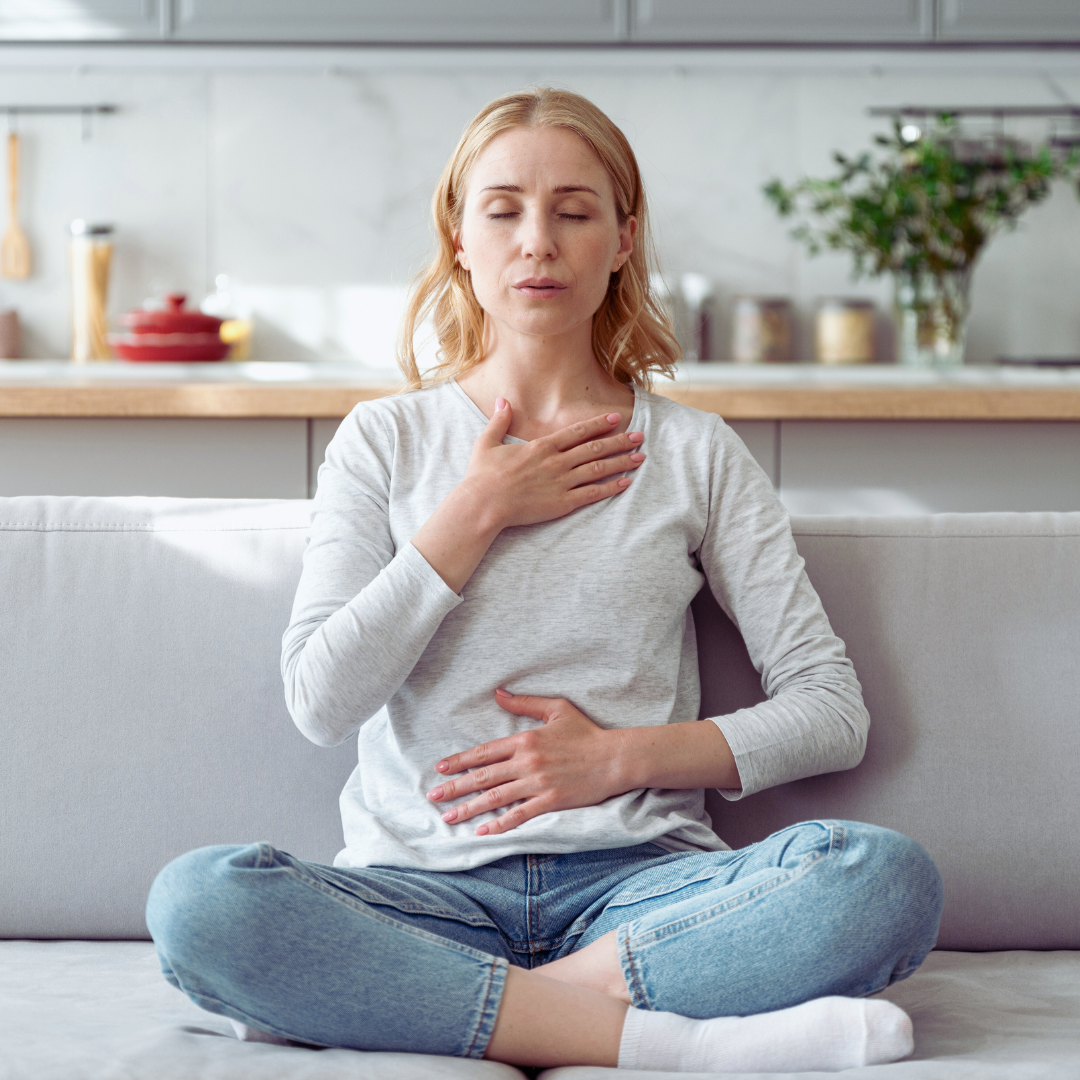
Deep breathing involves inhaling deeply through the nose, holding the breath, and exhaling slowly through the mouth. This method encourages full oxygen exchange and activates the body’s relaxation response.
To practice deep breathing:
- Find a comfortable position: Sit or lie down in a quiet space.
- Inhale deeply: Take a slow breath through the nose for a count of four, allowing the abdomen to expand.
- Hold the breath: Retain the breath for a count of four.
- Exhale slowly: Release the air gently through the mouth for a count of six to eight.
Repeating this cycle for several minutes can significantly reduce feelings of anxiety.
Box Breathing
Box breathing, also known as square breathing, is a structured technique aimed at calming the mind. It involves equal time intervals for inhaling, holding, exhaling, and holding again.
Steps to perform box breathing:
- Inhale: Breathe in for a count of four, focusing on filling the chest and abdomen.
- Hold: Keep the breath for a count of four.
- Exhale: Release the air over a count of four.
- Hold: Again, hold the breath for another count of four.
This method not only helps in managing anxiety but also improves focus and boosts mental clarity.
Alternate Nostril Breathing
Alternate nostril breathing balances energy and promotes a sense of calm. This technique involves closing one nostril while breathing through the other, alternating between sides.
To practice alternate nostril breathing:
- Position the hand: Use the right thumb to close the right nostril.
- Inhale: Breathe in deeply through the left nostril.
- Switch: Close the left nostril with the ring finger, then open the right nostril.
- Exhale: Release the breath through the right nostril.
This process can be repeated multiple times, enhancing relaxation and reducing stress levels effectively.
Integrating Breathing Exercises Into Daily Coping Strategies
Incorporating breathing exercises into daily routines can significantly enhance relaxation and mental clarity. By developing effective practices and combining these exercises with meditation and fitness, individuals can improve their overall well-being and resilience against anxiety.
Building Effective Relaxation Routines
Establishing a consistent relaxation routine is crucial for effective coping with anxiety. This can involve dedicating specific times each day to practice breathing exercises. For instance, setting aside five minutes in the morning and evening can create a habit that promotes calmness.
Using reminders throughout the day can also aid in remembering to engage in these exercises. This can include:
- Post-it notes: Placed on computer screens or mirrors.
- Phone alarms: Set to trigger at regular intervals.
Having a comfortable space designated for relaxation can enhance the effectiveness of these practices further.
Combining Breathing With Meditation and Fitness
Integrating breathing exercises with meditation and fitness amplifies their benefits. During meditation sessions, focusing on breath can deepen relaxation and enhance mental clarity. This combination can help individuals anchor themselves and decrease anxiety levels effectively.
Moreover, incorporating breathing techniques into fitness routines can optimize performance. For example, using controlled breathing during workouts can improve endurance and reduce stress.
Practical tips include:
- Mindful Breathing During Exercise: Inhale deeply through the nose and exhale through the mouth at key moments, like during resistance or stretching.
- Meditative Focus: Choose a word or phrase to repeat during meditation to maintain focus while incorporating breath awareness.
This integration creates a holistic approach to managing anxiety and improving overall well-being.
Special Considerations and Tips for Lasting Results
When practicing breathing exercises for anxiety relief, it is important to consider individual health challenges. Tailoring these techniques can enhance their effectiveness and overall benefits for mental health.
Managing Anxiety Alongside Other Health Issues
Individuals with asthma should focus on gentle breathing techniques that do not trigger symptoms. Diaphragmatic breathing is particularly effective. It promotes relaxation without overexerting the lungs.
For those experiencing depression, regular practice can significantly improve mental well-being. Incorporating breathing exercises into a daily routine can help create a sense of control and stability, positively impacting mood.
People with coexisting conditions must seek professional advice before starting any anxiety management program. A healthcare provider can offer tailored strategies that account for these complexities.
Avoiding Insomnia and Supporting Long-Term Mental Health
Breathing exercises can be integrated into nighttime routines to combat insomnia. Techniques such as 4-7-8 breathing can promote relaxation, making it easier to fall asleep.
To support long-term mental health, consistency in practice is key. Daily exercises can serve as preventive measures against anxiety spikes. Creating a calming environment for these practices can enhance their effectiveness.
It’s advisable to avoid stimulating substances close to practice times. This includes caffeine and electronics that may disrupt focus and relaxation. By fostering a healthy routine, individuals can maximize the benefits of breathing exercises for anxiety relief.