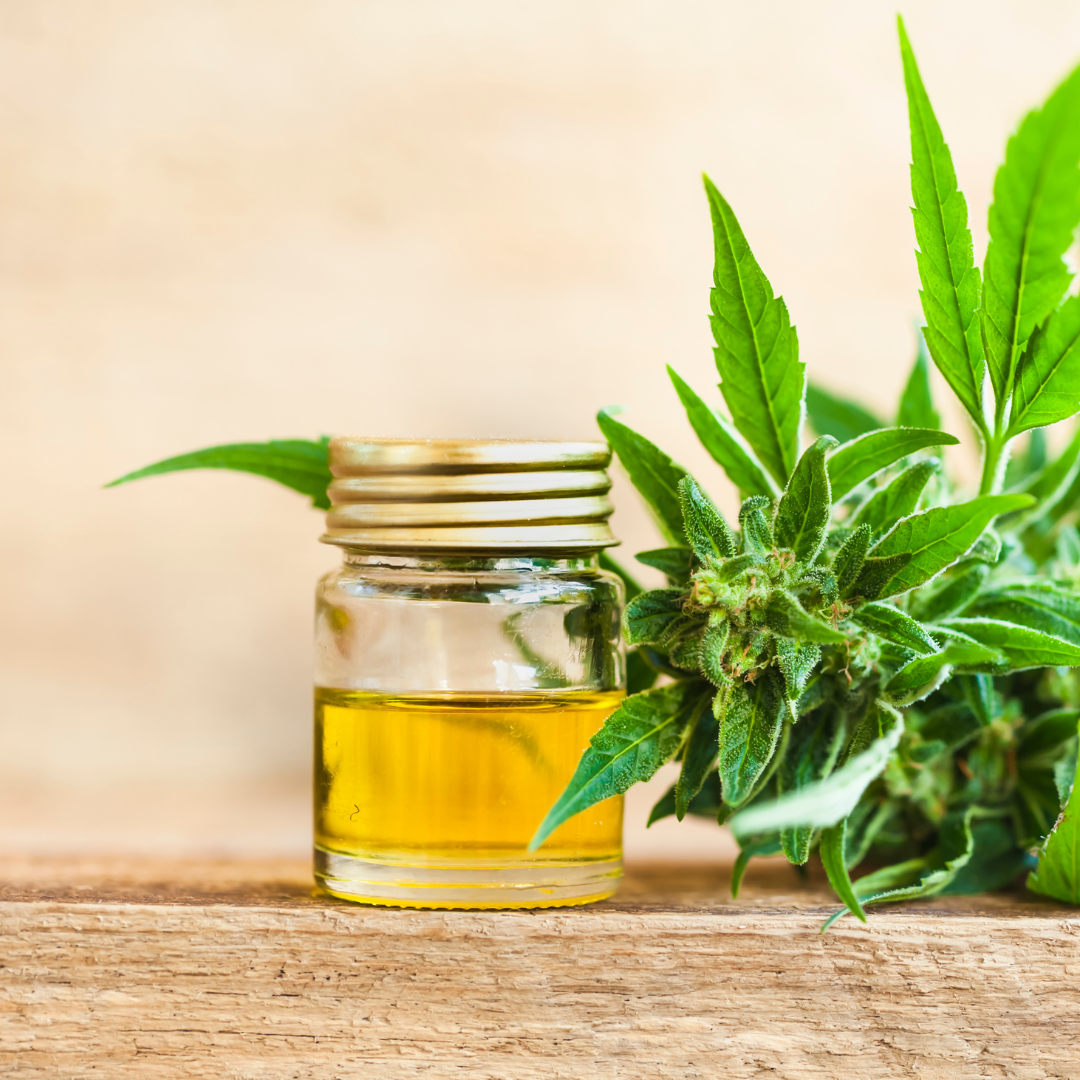
You may have heard about CBD, or cannabidiol, a compound found in the cannabis plant. Recently, it has become a popular ingredient in many beauty products, including lotions, oils, and skincare products. But cannabidiol also exhibits powerful anxiety-fighting properties, making it an appealing anxiety treatment.
As more states legalize the use of various cannabis products, it seems as though the otherwise taboo drug is becoming everyone’s go-to remedy for anxiety. These products might be a viable alternative if you have tried other anxiety treatments or are not interested in prescription pills. There are online platforms and different retailers like the dispensary where you can get a variety of cannabis-based products, ranging from traditional dried flower to edibles, tinctures, and topical solutions, offering diverse options to cater to individual preferences and needs. However, research is still ongoing to fully understand the long-term effects, potential risks, and optimal dosage guidelines for using cannabis products to manage anxiety. So, the question is, how much is too much? Let’s find out.
What is CBD?
Cannabidiol is an extract from the cannabis plant. It’s used by some people who suffer from chronic pain, anxiety, psychosis, and skin conditions. CBD is distinct from THC, which is the substance in marijuana that makes them high; CBD is non-psychoactive. But cannabidiol is a Schedule I substance, which means that it has little to no medical value, so research is ongoing. Still, its growing popularity has caused it to enter the mainstream, which is great news for people who want to treat the symptoms of their illnesses without tripping out.
The availability and legality of cannabis products depend on the jurisdiction. In areas where cannabis is legal for medical or recreational use, you can find these products in online dispensaries like Cheapweed (cheapweed.io) or at local stores that follow legal regulations. Always make sure that you obtain cannabis products from legal and reputable sources.
Types of CBD products
CBD, or cannabidiol, comes in various product forms, catering to diverse preferences and needs. CBD oil, a popular choice, allows for versatile consumption, whether sublingually or mixed into food and beverages. Capsules offer a convenient, pre-measured option, making dosage straightforward. Edibles, like gummies and infused treats, offer a tasty and discreet way to incorporate CBD into your routine, with options available at dispensaries such as SkyHighmeds. Notably, sky high edibles are often reasonably priced and easily accessible.
Aside from this, topicals, like creams and balms, target localized issues by delivering CBD directly to the skin. Vape products offer a fast-acting method, ideal for those seeking immediate effects. Additionally, CBD isolates and tinctures provide concentrated forms for users desiring higher potency. With this array of products, individuals can choose the CBD format that aligns best with their preferences and desired outcomes.
Anxiety and CBD
Anxiety disorders are the most common mental illness in the United States, affecting 40 million adults annually, according to the Anxiety and Depression Association of America. People who suffer from chronic anxiety can experience physical, emotional, social, and behavioral symptoms, including chronic worry, elevated heart rate, muscle tension, insomnia, fatigue, and changes in appetite, sex drive, and concentration. Anxiety medications, such as benzodiazepines, are most effective when used consistently, but they also carry the risk of harmful side effects, including addiction and cognitive impairment. Researchers are exploring the use of nonaddictive cannabinoid compounds to manage anxiety and other conditions, and preliminary evidence suggests that CBD may be a promising treatment for anxiety.
How Much is Too Much?
People and animals alike benefit from CBD’s anxiolytic effects, analgesic and anti-inflammatory properties, and anti-psychotic properties. Dosage recommendations can vary widely because of the many different ways they can be used.
The human body can tolerate up to 1,500 mg of THC per day, according to a study conducted in 2017. A typical 1-ounce bottle of CBD oil typically contains between 300 and 1,500 mg of CBD. It’s critical to keep in mind that research on CBD and cannabis is still in its infancy. To determine the best dosage for your specific needs and whether or not it will interact with other medications or supplements you take, you should always consult a healthcare professional.
Determining the Dosage
When starting to use CBD, many individuals are concerned about finding the correct dosage. They may wonder if they have the proper dosage or how it affects them. For those new to CBD, it cannot be very clear. The dosage can vary greatly, so it is important to educate yourself on the different types of CBD, the different modes of administration, and how to determine the correct dosage for you.
Possible Side effects of CBD Overdose
CBD oil is already an incredibly popular product, but people are still learning about it and learning what potential benefits it may have. From anti-inflammatory to anxiety-relieving, it offers many health advantages. But it’s important to know what kind of side effects CBD oil may have, so it’s helpful to know as much as you possibly can, from potential drug interactions to real bodily responses. The following are the possible side effects of CBD overdose:
- fatigue
- diarrhea
- changes in appetite
- changes in weight
- Changes in mood
- Dizziness
- Drowsiness
- Dry mouth
- Nausea
- Vomiting
Would You Use CBD for Anxiety?
If you’re curious about alternatives to prescription medication, you may be interested in using CBD oil to treat your anxiety. CBD is a chemical compound found in the cannabis plant. It’s non-psychoactive, meaning it doesn’t get you high, and it’s often used to treat anxiety.