Starting a stretching routine can improve flexibility, reduce muscle tension, and increase overall comfort in daily activities. Simple stretching routines for beginners focus on basic, easy-to-follow movements that target major muscle groups without causing strain.
These routines are designed to fit into any schedule, requiring minimal space and no special equipment. Learning the right techniques is key to safely increasing your range of motion and preventing injury.
Why Stretching Is Important
Stretching improves the way your body moves and feels throughout the day. It enhances the range of motion in your joints and supports muscles to work more efficiently. Maintaining a consistent routine helps protect your body from common strains and discomfort.
Benefits of Flexibility
Flexibility refers to the ability of your muscles and joints to move through their full range of motion. Regular stretching targets muscles that tend to tighten over time due to inactivity or repetitive tasks. These stretches increase muscle length and joint elasticity, making daily movements easier.
Improved flexibility helps reduce stiffness after long periods of sitting or physical activity. This can enhance posture and reduce tension in muscle groups like the hamstrings, calves, and lower back. Stretching also makes tasks like bending, reaching, and twisting less restrictive.
Impact on Mobility
Mobility is about how well your joints move in dynamic situations, often involving strength and control alongside flexibility. Stretching supports mobility by loosening muscles around the joints, allowing for smoother and wider movements.
Enhanced mobility reduces difficulty in activities such as walking, climbing stairs, or lifting objects. It supports balance and coordination, crucial for preventing falls and maintaining independence as you age. Maintaining joint mobility is important for both everyday tasks and exercise performance.
Injury Prevention
Stretching helps lower the risk of injuries by preparing muscles and tendons for physical activity. Tight or short muscles are more prone to strains and tears, especially during sudden or intense movements. Stretching increases blood flow to muscle tissues, improving their elasticity.
A well-stretched muscle absorbs stress better, reducing the chance of strains, sprains, or muscle imbalances. This protection is especially important before exercise or physical labor, but maintaining a regular routine also supports recovery and reduces persistent soreness.
Essential Safety Tips for Beginners
Starting a stretching routine requires attention to key safety practices to avoid injury and enhance effectiveness. Proper preparation and awareness during stretching make it more beneficial and comfortable.
Warm-Up Guidance
Always begin with a light warm-up before stretching to increase blood flow and muscle temperature. This can include 5 to 10 minutes of walking, jogging, or gentle movements that mimic the stretches to come. Avoid stretching cold muscles, as it can lead to strains or pulls.
Perform dynamic stretches during the warm-up phase, such as arm circles or leg swings, instead of static holds. This helps prepare muscles for more intense stretching later. Only move into static stretches after your body feels warmed and loose.
Proper Breathing Techniques
Controlled breathing is essential during stretching to maintain relaxation and improve oxygen flow to muscles. Breathe deeply and steadily, using slow inhalations through the nose and smooth exhalations through the mouth. Avoid holding your breath or shallow breathing.
Sync your breath with movements. For example, inhale before starting a stretch and exhale slowly as you ease into the position. This technique helps reduce muscle tension and supports longer, more effective stretches.
Listening to Your Body
Pay close attention to sensations while stretching. Mild tension or a gentle pull is normal, but sharp pain or discomfort means stop immediately. Stretch only within a comfortable range of motion, and never force a position.
If a stretch causes persistent pain or discomfort after the session, reassess the technique or consult a healthcare professional. Regularly check in with your body’s signals to avoid injuries and ensure steady progress.
Core Simple Stretching Routines
Start with stretches that cover all major muscle groups to build flexibility steadily. These routines focus on ease and safety, making them suitable for beginners. Timing and sequence help maintain consistency and maximize benefits.
Full Body Beginner Routine
This routine targets the neck, shoulders, back, hips, and legs in a balanced order. Begin with gentle neck tilts and shoulder rolls to release upper tension.
Move to seated or standing forward bends to stretch the lower back and hamstrings. Include hip flexor stretches by lunging forward gently without forcing depth.
Finish with calf raises and ankle rotations to loosen the lower legs and joints. Hold each stretch for about 20-30 seconds, repeating twice if comfortable. Breathing steadily during each stretch enhances relaxation.
Morning Stretch Sequence
Designed to activate muscles and improve circulation, the morning routine is brief and invigorating. Start with the tall mountain pose to improve posture and balance.
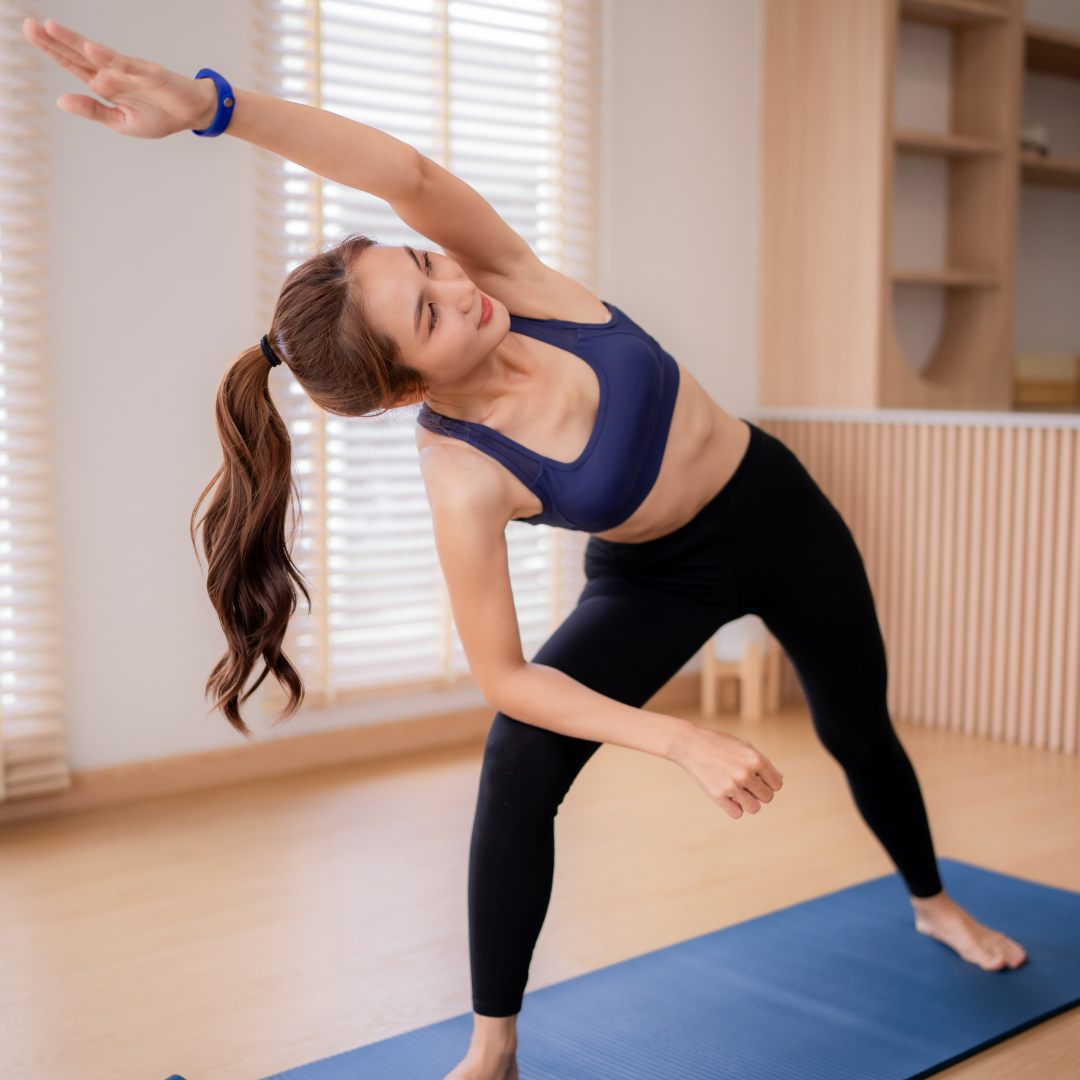
Add side stretches to open up the ribcage and increase lung capacity. Follow with gentle spinal twists performed seated or standing to loosen the spine.
End with calf stretches or light lunges to prepare legs for the day. This routine can take 5-10 minutes and should be done before breakfast for best results.
Evening Stretch Flow
Focus on relaxation and tension release using slow, controlled movements in this routine. Begin with deep breathing combined with neck and shoulder rolls to reduce stress.
Transition into hip and hamstring stretches to ease muscle tightness after daily activity. Incorporate gentle spinal stretches lying on your back, such as knees-to-chest.
Finish with slow ankle and wrist circles to calm the nervous system. Hold stretches longer here, about 30-45 seconds, allowing muscles to unwind fully before bed.
Upper Body Stretches
Targeting the neck, shoulders, back, and arms can improve flexibility and reduce tension. Simple movements focus on gentle elongation and easing muscle tightness, especially in areas prone to stiffness.
Neck and Shoulder Stretches
Start with neck tilts: slowly lower your right ear to your right shoulder and hold for 15-20 seconds. Repeat on the left side. This stretch helps release tension in the neck muscles.
Next, perform shoulder rolls by lifting your shoulders toward your ears, then rolling them backward in a circular motion five times. Reverse direction afterward. This improves shoulder mobility and reduces stiffness.
Cross-body shoulder stretches involve pulling one arm across your chest with the opposite hand and holding for 20 seconds. This targets the deltoids and upper back muscles.
Back and Arm Stretches
For back relief, use the child’s pose by kneeling and reaching your arms forward on the floor, lowering your chest toward the ground. Hold this for 30 seconds to gently stretch the lower and upper back.
Incorporate triceps stretches by raising one arm overhead and bending the elbow, using the opposite hand to pull the elbow gently. Maintain the position for 20 seconds to stretch the triceps and shoulders.
Finally, try the arm circles exercise by extending your arms to the sides and making small circles forward for 20 seconds, then backward for another 20 seconds. This improves circulation and arm flexibility.
Lower Body Stretching Techniques
Stretching the lower body improves mobility, reduces stiffness, and supports daily activities. Targeting key muscle groups such as the hamstrings, quads, hips, calves, and ankles enhances overall flexibility and balance.
Hamstring and Quad Stretches
Hamstring stretches focus on the muscles running along the back of your thighs. A simple seated forward bend helps lengthen these muscles. Sit with legs extended, then slowly reach toward your toes while keeping your back straight. Hold for 20-30 seconds without bouncing.
Quad stretches loosen the front thigh muscles. Standing quad stretch is effective: balance on one foot, bend the opposite knee, and bring your heel toward your buttocks. Keep your knees close, and hold the ankle gently. Maintain posture and hold for 20-30 seconds on each side.
Both stretches improve leg flexibility and decrease the risk of injury during physical activity.
Hip Flexor Movements
Hip flexors are essential for movements like walking and running. Tight hip flexors can cause lower back pain and limit the range of motion. A common stretch involves stepping one foot forward into a lunge position, keeping the back leg straight, and pushing the hips downward.
Hold this position for 20-30 seconds, ensuring your torso stays upright. Repeat on both sides. Another effective movement is the seated butterfly stretch. Sit with soles of feet together and gently press knees toward the floor to engage the inner hip muscles.
These stretches reduce tightness and promote better hip mobility.
Calf and Ankle Mobility
Calf stretches improve ankle flexibility and support stable footing. Stand facing a wall and place both hands flat against it. Step one foot back, keeping it straight and heel on the ground. Lean forward slightly to feel the stretch across your calf. Hold for 20-30 seconds and switch legs.
Ankle circles help enhance ankle joint mobility. Lift one foot off the ground and slowly rotate your foot clockwise for 10-15 rotations, then counterclockwise. Repeat with the other ankle.
Combining static calf stretches and dynamic ankle movements maintains lower leg strength and decreases stiffness.
Tips for Creating a Consistent Stretching Habit
Building a stretching routine requires clear goals and a way to monitor improvement. Consistency comes from manageable steps and seeing progress over time.
Setting Realistic Goals
Start with small, achievable targets like stretching for 5 minutes daily. Avoid overambitious goals that might discourage you. Focus on specific areas such as hamstrings or shoulders.
Use a simple plan like:
- Stretch 3 times per week
- Hold each stretch for 15–30 seconds
- Increase duration gradually
Adjust goals based on your schedule and physical comfort. This prevents frustration and supports steady progress.
Tracking Progress
Keep a log of stretching sessions to stay motivated and accountable. Note the date, duration, and any changes in flexibility or discomfort.
Apps or a journal work well for tracking.
Example entry might be:
| Date | Duration | Focus Area | Notes |
| 01/26/2026 | 10 mins | Lower back | Felt less tight |
Review your log weekly to identify trends and adjust your routine if needed. This helps maintain commitment and highlights improvements.
Common Mistakes to Avoid
Stretching too quickly is a frequent error. This can cause muscle strain or injury. Move into each stretch slowly and hold it steadily.
Ignoring proper breathing reduces the effectiveness of stretching. Breathe deeply and evenly to help your muscles relax. Avoid holding your breath during stretches.
Overstretching is another common mistake. Stretch only to the point of mild tension, not pain. Pushing beyond your limits can lead to soreness or damage.
Skipping warm-up before stretching limits flexibility gains. Light activity, like walking or jogging for 5 minutes, increases blood flow and prepares muscles.
Poor posture during stretches can reduce the benefits and cause discomfort. Maintain a neutral spine and avoid slouching or locking joints.
| Mistake | What to Do Instead |
| Stretching fast | Move slowly and hold steady |
| Holding breath | Breathe deeply and regularly |
| Overstretching | Stretch to mild tension only |
| No warm-up | Do light activity before |
| Bad posture | Keep correct alignment |
Avoid bouncing while stretching. This jerky motion can cause micro-tears in muscles. Static stretching with smooth movements is safer for beginners.
How to Progress Beyond Beginner Routines
Once you have mastered basic stretches, it’s important to increase both intensity and variety. This can help improve flexibility and reduce the risk of injury.
Increase your stretch hold time gradually. Start by holding each stretch for 20-30 seconds and work up to 45-60 seconds. Adding repetitions or doing multiple sets can also enhance effectiveness.
Incorporate dynamic stretches into your routine. Unlike static stretches, dynamic stretches involve controlled movements that gently take your muscles through their full range of motion. Examples include leg swings or arm circles.
Try adding these elements to your routine:
| Progression Element | Description |
| Increased Duration | Hold stretches longer to improve flexibility |
| Dynamic Stretching | Add movement-based stretches |
| Target Multiple Areas | Include stretches for different muscle groups |
It’s important to listen to your body during progression. If you experience sharp pain or discomfort, reduce intensity or return to beginner-level stretches.
Consider integrating strength training with flexibility work. This combination can support muscle balance and further enhance mobility over time.
Tracking progress weekly can help maintain motivation and ensure you are advancing safely. Use a journal or app to note improvements or challenges.