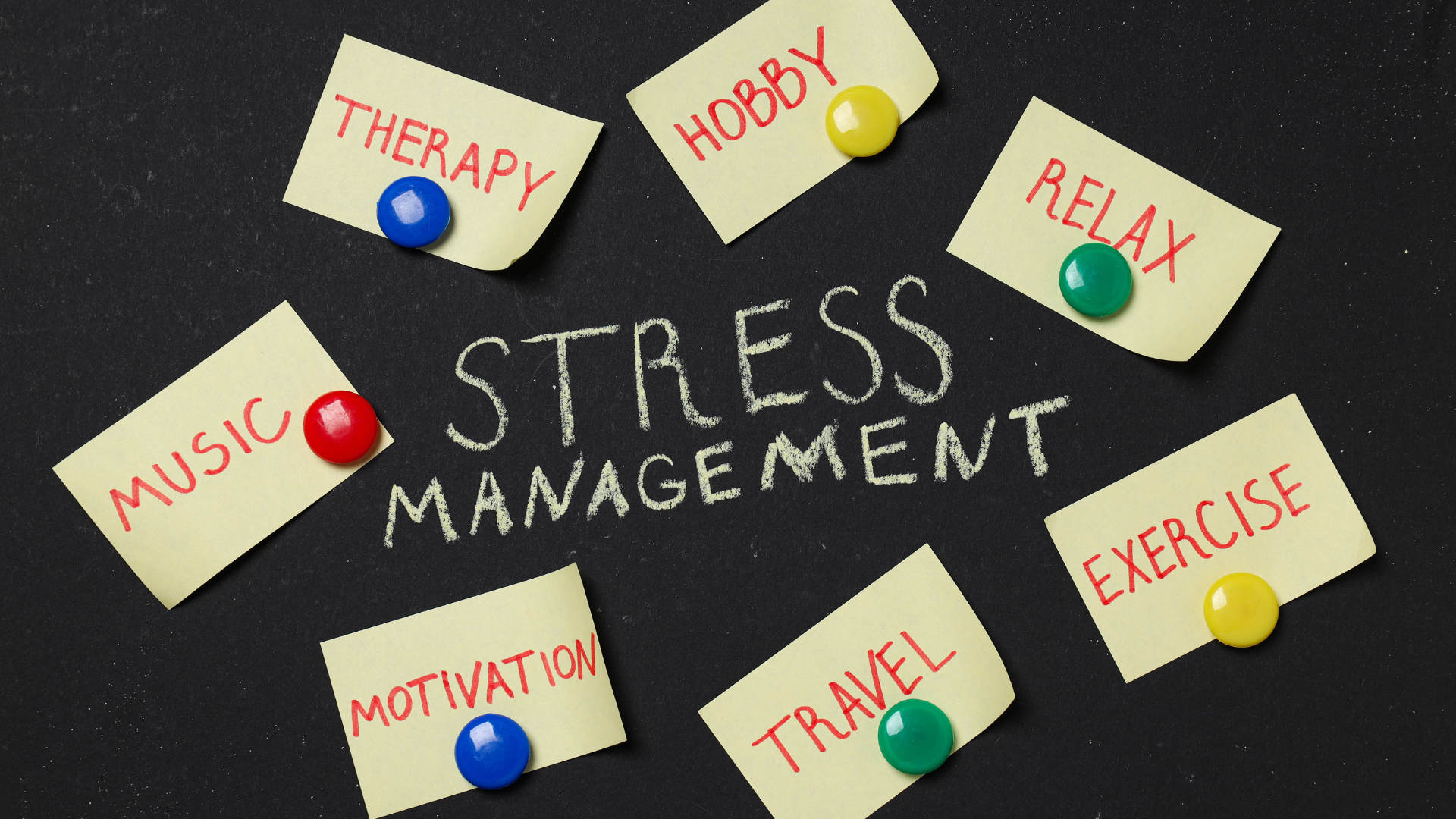
Daily stressors can build up quickly, affecting both mental and physical health. Managing them effectively requires simple, consistent strategies tailored to your routine. The key to managing daily stressors is to recognize triggers early and apply practical methods like mindfulness, time management, and regular breaks.
Understanding what causes your stress is essential. Once you identify these stress points, you can create small habits to reduce their impact, such as prioritizing tasks or incorporating relaxation techniques into your day.
This approach helps prevent overwhelm and maintains focus, improving overall well-being. Managing stress doesn’t mean eliminating it completely, but handling it in ways that keep you balanced and productive.
Understanding Daily Stressors
Daily stress comes from small and recurring challenges that affect emotional and physical well-being. Identifying these challenges, their common causes, and the signs they produce helps in managing stress more effectively.
What Are Daily Stressors?
Daily stressors are routine events or situations that cause mental or emotional strain. They differ from major life crises by their frequency and often involve minor but persistent demands. Examples include traffic congestion, tight work deadlines, or conflicts with coworkers.
These stressors may seem insignificant individually, but they can accumulate, leading to increased tension. Understanding that stress can come from everyday inconveniences helps in recognizing its impact on health.
Common Causes of Everyday Stress
Several factors commonly trigger daily stress. These include:
- Work-related stress: Deadlines, workload, and office politics
- Financial concerns: Budgeting, unexpected expenses
- Time pressures: Managing schedules, multitasking
- Social interactions: Conflicts, communication challenges
- Health and lifestyle: Lack of sleep, poor diet, exercise deficits
Each cause can intensify stress depending on an individual’s environment and coping abilities. Awareness of specific sources helps create targeted responses to reduce stress effectively.
Recognizing Signs of Stress
Stress manifests physically, emotionally, and behaviorally. Common signs include:
| Physical | Emotional | Behavioral |
| Headaches | Irritability | Avoidance of tasks |
| Muscle tension | Anxiety | Changes in appetite |
| Fatigue | Mood swings | Procrastination |
| Sleep disturbances | Difficulty concentrating | Increased substance use |
Recognizing these signs early allows for timely stress management actions before symptoms worsen. Awareness supports maintaining balance amid ongoing daily stressors.
Assessing Your Stress Levels
Measuring stress accurately requires recognizing physical, emotional, and behavioral signs. Keeping records and knowing when professional guidance is necessary can help manage stress effectively.
Self-Assessment Techniques
Begin by observing your body for common stress symptoms such as headaches, muscle tension, or rapid heartbeat. Emotional signals like irritability, anxiety, or difficulty concentrating are key indicators.
Use simple tools such as stress questionnaires or rating scales to quantify your stress on a daily basis. Record your mood or energy levels at consistent times during the day.
Practicing mindfulness can increase awareness of your stress triggers. Set aside a few minutes daily to reflect on your feelings and physical sensations to catch stress early.
Tracking Stress Patterns
Maintain a stress diary to log situations, reactions, and coping methods. Note the time, place, intensity of stress, and outcomes to detect recurring triggers.
Tracking patterns helps identify whether stress peaks at specific times—work hours, evenings, or weekends. It also reveals the effectiveness of different stress-reduction strategies.
Visual formats like charts or tables can make trends easier to understand. For example:
| Day | Stress Level (1-10) | Trigger | Coping Method |
| Monday | 7 | Meeting deadlines | Short walk |
| Wednesday | 5 | Commute traffic | Deep breathing |
These records inform tailored changes in daily routines.
When to Seek Professional Help
Consider consulting a mental health professional if stress persists despite self-management. Warning signs include chronic fatigue, insomnia, or overwhelming anxiety.
If stress interferes with work performance or personal relationships, professional support is important. Therapists or counselors can provide specific interventions.
Seek immediate help if you experience thoughts of self-harm or feel unable to cope. Early intervention increases the chance of effective treatment and recovery.
Building Healthy Habits
Consistent habits help regulate daily stress by creating predictability and supporting physical well-being. Small changes in routine, diet, and sleep can lead to stronger stress resilience and improved energy levels.
Establishing Daily Routines
A structured daily routine reduces decision fatigue and streamlines tasks. Set fixed times for waking, eating, working, and relaxing to stabilize your body’s internal clock and reduce uncertainty.
Include short breaks every 60-90 minutes to reset focus and lower mental strain. Use tools like calendars or timers to keep track of activities. Prioritize important tasks early in the day when concentration is highest.
The Role of Nutrition
Balanced nutrition directly affects mood and energy. Aim for meals with protein, whole grains, healthy fats, and a variety of fruits and vegetables to sustain focus.
Avoid excessive caffeine and sugar, which can cause energy crashes and worsen anxiety. Staying hydrated is essential; drink at least 8 cups of water daily to maintain cognitive function and reduce irritability.
Importance of Quality Sleep
Quality sleep supports emotional regulation and cognitive performance. Adults need 7-9 hours nightly to repair the body and process stress.
Create a calming bedtime routine—avoid screens 30 minutes before bed and limit stimulants late in the day. Maintain a dark, cool, and quiet sleep environment to improve sleep depth and consistency.
Effective Stress Management Techniques
Managing stress involves methods that target both the mind and body. Practices to calm mental tension, improve focus, enhance physical health, and encourage self-expression all play a role.
Mindfulness and Meditation
Mindfulness is the practice of paying attention to the present moment without judgment. Regular mindfulness exercises can reduce anxiety by helping you become aware of stress triggers.
Meditation involves focused attention to clear the mind. Even short daily sessions of 5-10 minutes can improve emotional regulation. Apps like Headspace or Calm provide guided meditations for beginners.
Both techniques encourage observing thoughts as they arise without reacting immediately. This reduces the power of negative thinking patterns and supports calm responses under pressure.
Breathing Exercises
Controlled breathing affects the nervous system and lowers stress quickly. Techniques like diaphragmatic breathing slow the heart rate and reduce cortisol levels.
One common method is the 4-7-8 technique: inhale through the nose for 4 seconds, hold for 7, and exhale through the mouth for 8. Repeat 4 cycles to promote relaxation.
Box breathing, inhaling, holding, exhaling, and pausing each for equal counts (e.g., 4 seconds), can reset tension during stressful moments. Breathing exercises are simple, requiring no equipment, and can be done anywhere.
Physical Activity for Stress Relief
Exercise triggers the release of endorphins, natural mood lifters. It also improves sleep, which is often disrupted by stress.
Activities don’t need to be intense. A daily 30-minute walk, stretching, yoga, or light aerobic exercises can effectively reduce stress. Consistency is key to gaining benefits.
Exercise also provides an outlet for nervous energy and helps shift focus away from problems, aiding mental recovery after stress exposure.
Creative Outlets
Engaging in creative activities helps express emotions non-verbally. This can reduce the buildup of stress and enhance a sense of control.
Common outlets include painting, writing, playing an instrument, or crafting. These activities encourage focusing on the present task and provide a break from stressors.
Creating also activates different brain regions than those involved in stress responses, promoting relaxation and satisfaction. Regular involvement in creative work supports ongoing emotional well-being.
Optimizing Your Environment
A well-organized and thoughtfully arranged environment can reduce stress significantly. Attention to physical space and minimizing interruptions sets the foundation for better focus and calm.
Creating a Calm Workspace
Keep your workspace tidy and free of clutter. Use storage solutions like shelves or drawers to organize papers and supplies. Clear surfaces allow your mind to feel less overwhelmed.
Lighting matters. Natural light is best, but if unavailable, soft white bulbs reduce eye strain. Position your desk near a window if possible.
Add elements that promote relaxation, such as a small plant or a photo that brings positive feelings. Avoid strong scents that could distract or irritate.
Maintain a comfortable temperature and ergonomic seating. Adjust your chair, monitor height, and keyboard placement to avoid physical discomfort, which can increase stress.
Minimizing Digital Distractions
Turn off non-essential notifications on your phone and computer. Use “Do Not Disturb” modes during focused work periods.
Limit the number of open tabs and apps. Keep your desktop clean to avoid visual clutter and the temptation to multitask excessively.
Set specific times for checking emails and social media instead of constant monitoring. Use website blockers if needed to prevent time-wasting sites.
Organize digital files in well-labeled folders. This reduces frustration and saves time searching for documents, contributing to a more efficient work process.
Enhancing Emotional Resilience
Building emotional resilience requires practical changes in mindset and how you treat yourself. This involves shifting your thought patterns and developing a kinder internal dialogue to better manage stress.
Developing Positive Thinking
Positive thinking is not about ignoring problems but focusing on constructive aspects and solutions. It starts with recognizing negative thoughts and actively reframing them. For example, replace “I can’t handle this” with “I will do my best and learn from this.”
Create a habit of listing three things that went well each day. This practice helps train the brain to notice positive events and reduces stress.
Keep in mind cognitive distortions like catastrophizing or black-and-white thinking. When these appear, challenge them with evidence-based questions:
| Distortion | Challenge Question |
| Catastrophizing | “Is this really the worst-case?” |
| Black-and-white | “Is there anything in between?” |
This targeted approach strengthens emotional control and minimizes overwhelming feelings.
Practicing Self-Compassion
Self-compassion means treating yourself with the same kindness you would offer a friend during tough times. It involves acknowledging pain without harsh judgment.
Start by using supportive language when you make mistakes, such as “It’s okay to struggle; everyone has setbacks.” This reduces self-criticism and helps you recover faster.
Mindfulness is a key part of self-compassion. Take a moment to observe your emotions without trying to suppress or exaggerate them.
Implement small daily habits like gentle breathing exercises and journaling about your feelings. These promote awareness and acceptance, enhancing resilience to stress.
Building Support Systems
Support systems play a crucial role in managing daily stress by providing connection and practical help. Effective communication and access to community resources can make challenging situations easier to handle.
Communicating with Friends and Family
Open communication with friends and family helps reduce stress by sharing burdens and gaining perspective. It is important to be clear about needs and limits to avoid misunderstandings.
Use specific statements like “I feel overwhelmed when…” to express emotions without blaming others. Regularly scheduling time to check in can strengthen relationships and build trust.
Listening actively when others share their concerns fosters mutual support. Being honest about one’s feelings while respecting others’ viewpoints encourages healthier conversations.
Seeking Community Resources
Community resources offer valuable assistance for stress management, including counseling, support groups, and educational programs. Identifying local organizations that specialize in mental health or social services can provide essential tools.
Libraries, community centers, and online platforms often list free or low-cost options. Using these resources early can prevent stress from escalating.
Create a simple table to track useful contacts:
| Resource Type | Example | Contact Info |
| Mental Health Clinic | City Health Center | (123) 456-7890 |
| Support Group | Stress Relief Group | stressrelief@example.com |
| Online Education | Stress Management Webinars | www.stresswebinars.org |
Regularly updating this list ensures quick access during stressful times.
Sustaining Long-Term Well-Being
Maintaining well-being requires consistent effort and awareness. Tracking how stress management techniques perform and adjusting them when needed ensures they remain effective and relevant.
Reviewing Progress Regularly
Set aside time weekly or monthly to assess your stress levels. Use tools like journals or apps to record triggers, responses, and outcomes. This practice helps identify patterns and areas needing improvement.
Ask specific questions such as:
- Which techniques are reducing stress effectively?
- When do stress levels spike despite efforts?
- What external factors influence changes in your stress?
Reviewing your progress objectively allows you to celebrate successes and pinpoint ineffective approaches early, preventing burnout or frustration.
Adapting Strategies Over Time
Stressors and life circumstances often change, requiring flexible management plans. Reassess your methods at regular intervals and be ready to modify or replace strategies that no longer suit your lifestyle or stress type.
Consider introducing new practices like mindfulness, exercise, or time management adjustments when current ones lose impact. Combining multiple techniques can also enhance resilience.
Remember, adaptability helps avoid stagnation in stress management. Track what works and remain open to experimentation for sustained well-being.